Hospital vs Rehabilitation Centre: Where Does Recovery Truly Begin?
Recovery is not only about leaving the hospital. It is about regaining safety, independence, and daily function after the medical crisis is controlled. You may expect to find explanations of hospital vs rehabilitation centre recovery so families can choose the right setting at the right time, without unrealistic promises.
What hospitals do best and what they do not
Hospitals are the right place when someone needs rapid medical decisions, frequent monitoring, or emergency-level interventions. They are excellent for controlling infection, managing post-surgery risks, stabilising vitals, and preventing immediate deterioration. However, the hospital environment is not always designed for long, repetitive therapy sessions that rebuild daily function.
Best reasons to continue hospital care: (h3)
- Unstable vitals, breathing concerns, uncontrolled pain, or acute infection.
- Fresh surgery needing close monitoring.
- High-risk symptoms requiring ongoing investigations.
What rehabilitation centres do best after discharge
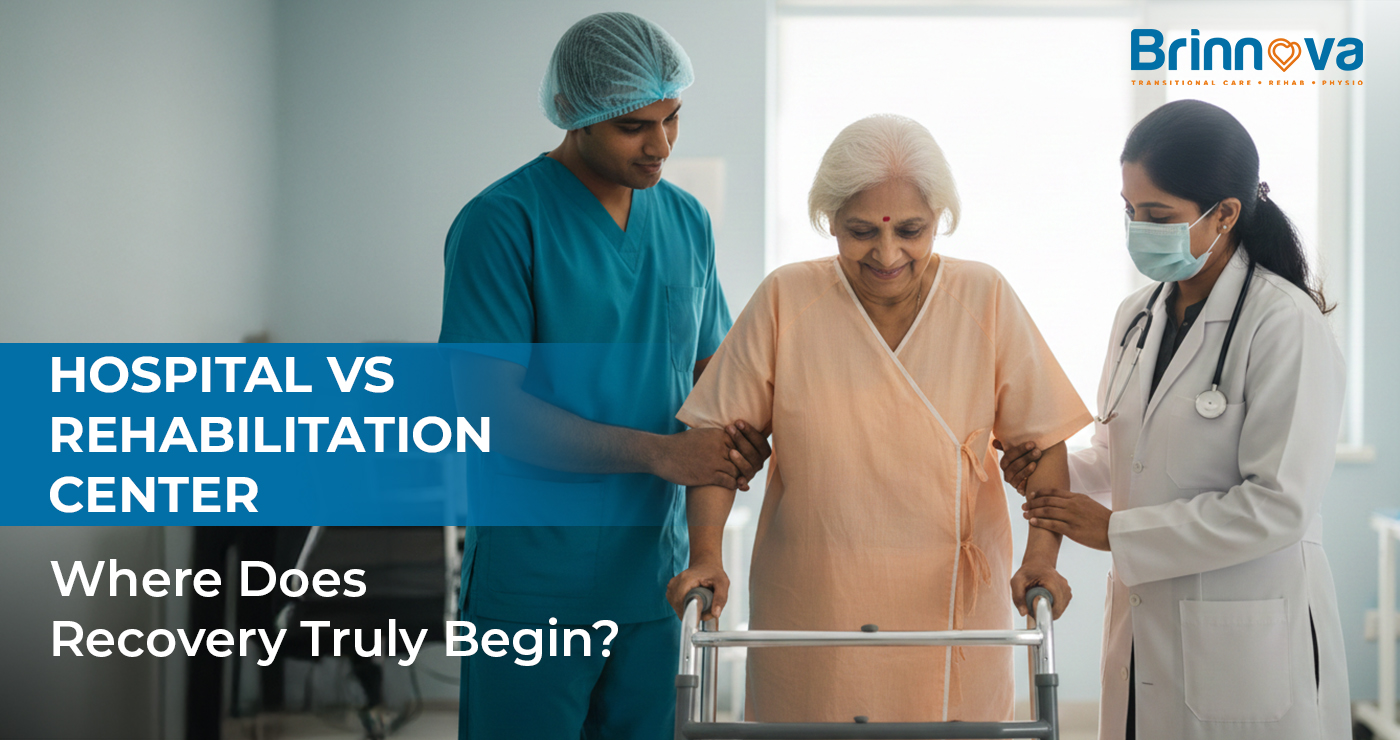
Once a person is medically stable, the next challenge is often how to live safely again, walking, toileting, bathing, eating, and moving without injury or fear. This is where post-hospital rehabilitation care plays a different role, using goal-based routines and supervised therapy to improve function over time. For many families, this phase feels like where recovery truly becomes visible, because progress is measured in day-to-day abilities.
Typical rehab goals: (h3)
- Improve transfers (bed-to-chair), balance, and walking safety.
- Rebuild strength and endurance after illness or bed rest.
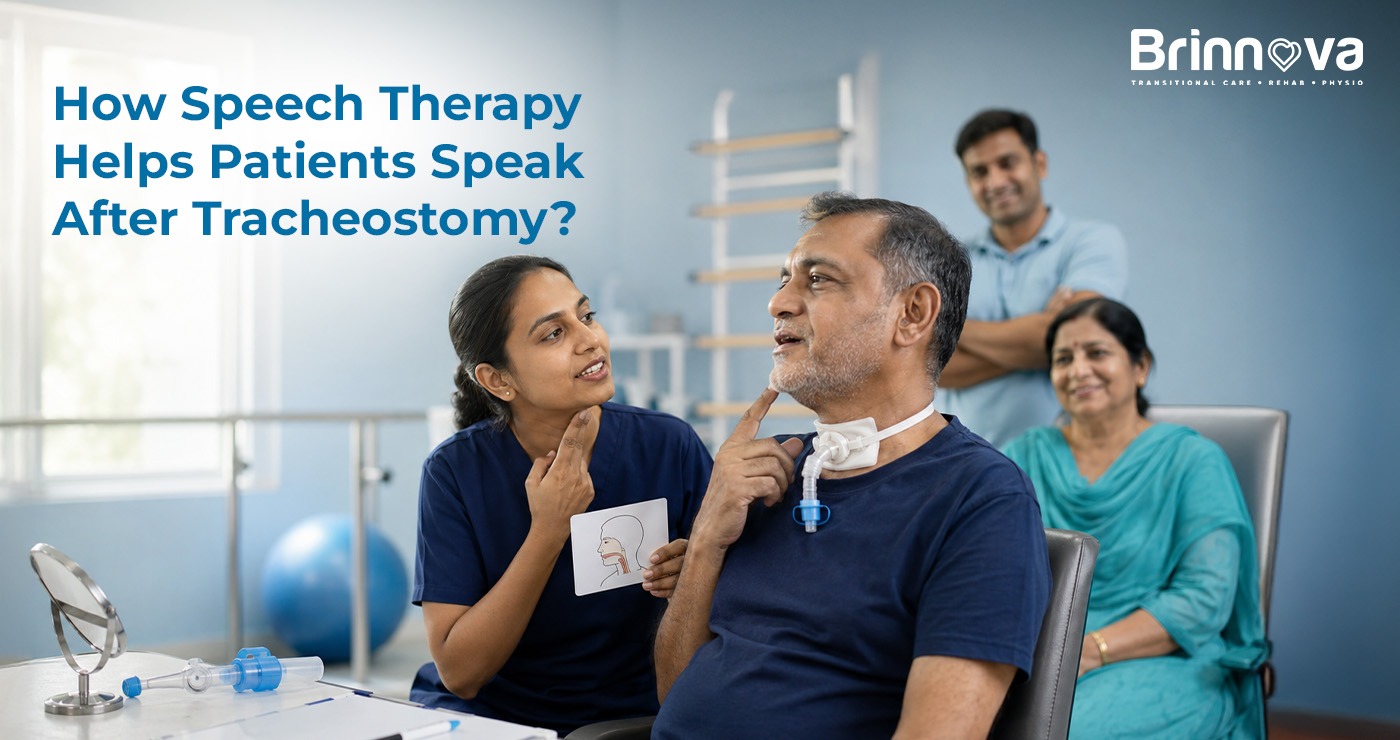
- Support speech/swallow or cognition needs when relevant.
- Train caregivers for safe assistance and home routines.
Understanding hospital vs rehabilitation centre recovery
Hospitals and rehabilitation centres support different phases of healing, and confusion is common because both feel like “treatment.” In simple terms, hospitals are built for urgent medical stabilisation, while rehabilitation is built for structured functional recovery after the condition is stable. This distinction is the heart of hospital vs rehabilitation centre recovery and helps set realistic expectations.
- Hospital focus: diagnosis, acute treatment, monitoring, complication control.
- Rehab focus: mobility, self-care, speech/swallow (when required), strength, endurance, and safe routines.
Rehabilitation centre vs hospital: how to decide quickly
A practical way to decide is to separate “medical stability” from “functional readiness.” If a person still needs intensive monitoring or urgent medical management, a hospital is necessary; if they are stable but cannot safely manage basic activities, rehabilitation may be the safer next step. This approach keeps the decision grounded in safety rather than assumptions about the speed of recovery.
Rehab may be worth considering if the person: (h3)
- Needs hands-on help for walking, standing, or transfers.
- Has high fall risk or repeated near-falls.
- Cannot manage toileting or bathing safely.
- Has swallowing/communication issues needing structured therapy.
Where recovery truly begins: the transition phase
The most fragile window is often the first few weeks after discharge, when the person is “medically okay” but still weak, anxious, or unsteady. During recovery after hospital discharge, small setbacks, such as falls, fear of movement, poor sleep, and inconsistent exercises, can slow progress and increase dependence. That is why planning this transition matters as much as the hospital treatment itself.
Common transition risks: (h3)
- Deconditioning from inactivity and prolonged bed rest.
- Falls or unsafe transfers at home.
- Pain-related guarding that reduces movement and delays strength return.
What does an inpatient rehabilitation centre typically support
An inpatient rehabilitation centre can be useful when home is not yet safe, or when therapy needs to be consistent and supervised. It provides a structured environment where rehabilitation becomes the day’s “main activity,” not an occasional activity. It can also reduce strain to the caregiver by ensuring the patient is well supported while learning safe routines.
What inpatient rehab is commonly meant to provide: (h3)
- Daily therapy plans built around functional goals.
- Supervised mobility practice such as walking, stairs, and transfers.
- Discharge planning and caregiver education.
Why multidisciplinary rehabilitation care matters
Recovery rarely fits into one box; pain, weakness, balance issues, swallowing difficulty, and mood changes can overlap. Multidisciplinary rehabilitation care is important because different professionals can align on one plan, reducing mixed messages, and adjust the therapy depending on fatigue and safety. A coordinated approach like this helps families understand what is currently realistic versus what could take time.
Following are the benefits of multidisciplinary care: (h3)
- Better coordinated across mobility, self-care, speech/swallow, and medical oversight.
- More consistent goals and activity with safer progression.
Recovery after hospital discharge: common scenarios
Families often see similar patterns across different conditions: hospital care handles the acute phase, whereas rehab handles the “getting back to life” phase.
Understanding these scenarios helps to set expectations for the role of rehabilitation during recovery without assuming any outcomes. Progress can be gradual, and consistency is typically more important than intensity.
Examples: (h3)
- After stroke-like events: hospital stabilises; rehab focuses on mobility, speech/swallow, and daily independence.
- After orthopaedic surgery: hospital manages post-op stability; rehab supports walking mechanics, stairs, transfers, and safe strengthening.
- After a prolonged ICU stay: hospital saves life; rehab rebuilds stamina, balance, and confidence to move again.
A practical next step – Brinnova
For those evaluating options in Hyderabad, Brinnova can be considered based on safety, therapy structure, and multidisciplinary support aligned to patient goals.
Choosing between hospital care and rehabilitation is less about which is “better” and more about what the patient needs today in the hospital vs rehabilitation centre recovery journey. When medical stability is achieved but daily function is limited, structured post-hospital rehabilitation care can support safer independence and clearer home routines.