
Complete Guide to Orthopedic (Ortho) Rehabilitation: Restoring Movement, Strength, and Quality of Life
Orthopedic (Ortho) rehabilitation may be needed for aging, postural defects, or a few surgical conditions. No matter if you are recovering from a fracture, joint replacement, ligament damage, or any chronic pain condition, rehabilitation therapy for the body helps in recuperating faster. Many health care professionals recommend a structured rehabilitation that includes orthopedic and rehabilitation therapy services. Through guided exercises, suitable management, and gradual retraining of movements over time, orthopedic physiotherapy, as well as sports injury rehabilitation, is able to support them in progressing back towards full restoration of strength, range, and flexibility of movements while enabling a safe return to their normal daily activities.
Orthopedic rehabilitation is usually customised according to the needs of a person. Generally, the type of injury, surgery, or condition decides the approach to treatment. Rehabilitation programs can often be directed by experts, either to understand the movement back or work on changing the muscle strength of the patient so that they can make an adjustment after getting well.
Understanding Orthopedic Rehabilitation
Orthopedic rehabilitation is a methodical way of recovery for those with traumatic muscle and skeletal disorders. These can include problems with bones, joints, tendons, ligaments, and muscles. Rehabilitation programs are usually run by trained health professionals who guide patients through a series of exercises, movement training, and adjunctive therapies.
Rehabilitation is mainly aimed at restoring strength, flexibility, and functional mobility over the long term. Orthopaedic rehabilitation includes exercise therapy, mobility training, posture correction, dialogue, assistance, and instruction in safe movement practices.
Common Conditions That May Require Orthopedic Rehabilitation
Orthopedic rehabilitation can be indicated for a variety of musculoskeletal conditions, including:
- Recovery From Joint Replacement (knee or hip replacement)
- ACL tears and other ligament injuries
- Sports-related injuries
- Fractures or bone injuries
- Tendon or muscle strains
- Chronic joint pain conditions
- Post-surgical recovery following orthopedic procedures
In many situations, starting rehabilitation can help retain the ability to move and allow patients to gradually return to ordinary activities of daily living.
Early Warning Signs of Orthopedic Complications
Some signs and symptoms of recovery from an injury or surgery might warrant medical attention. Getting this early recognition might help them in seeking the appropriate care.
Some possible warning signs include:
- Persistent joint pain or swelling
- Limited range of motion
- Difficulty performing basic movements
- Muscle weakness or instability
- Ongoing stiffness after rest
If these symptoms are severe, doctors may recommend an assessment to analyse the appropriate treatment or rehabilitation course.
Benefits of Orthopedic Rehabilitation
Orthopedic rehabilitation provides numerous advantages for people recovering from musculoskeletal injury or surgery.
Improved Mobility
Exercise therapy and movement training could enhance joint pliability and motion range.
Muscle Strength Support
Therapy programs frequently incorporate exercises to strengthen muscles around injured joints, presumably improving stability.
Support for Daily Activities
Rehab might help people work their way back to things like walking, going up stairs, or doing daily tasks.
Recovery After Sports Injuries
Rehabilitation for sports injuries may be geared toward restoring functional movement and improving coordination for athletes and physically active individuals.
Education and Prevention
Physical therapists may provide instructions to patients on posture, body mechanics, and safe movement techniques that might minimise pressure on joints and muscles.
Key Components of Orthopedic Rehabilitation Programs
Many orthopedic rehabilitation programs feature multiple components that can aid recovery.
Assessment and Personalised Planning
Healthcare providers usually start with a physical assessment of muscle stiffness, mobility restrictions, and medical history. This assessment can be used to develop a personalised rehabilitation program.
Therapeutic Exercises
An aerobic exercise program may involve stretching, strengthening, and balance training exercises that support mobility and the stability of joints.
Mobility and Functional Training
Patients can then practice functional movements that replicate daily living, allowing them to slowly regain their independent life.
Pain Management Approaches
Isometric and gentle exercises might be incorporated in certain therapy techniques to support comfort while healing.
Monitoring and Progress Tracking
Doctors regularly follow up with patients to track progress and fine-tune treatment as patients recover.
Role of Orthopedic Physical Therapy in Recovery
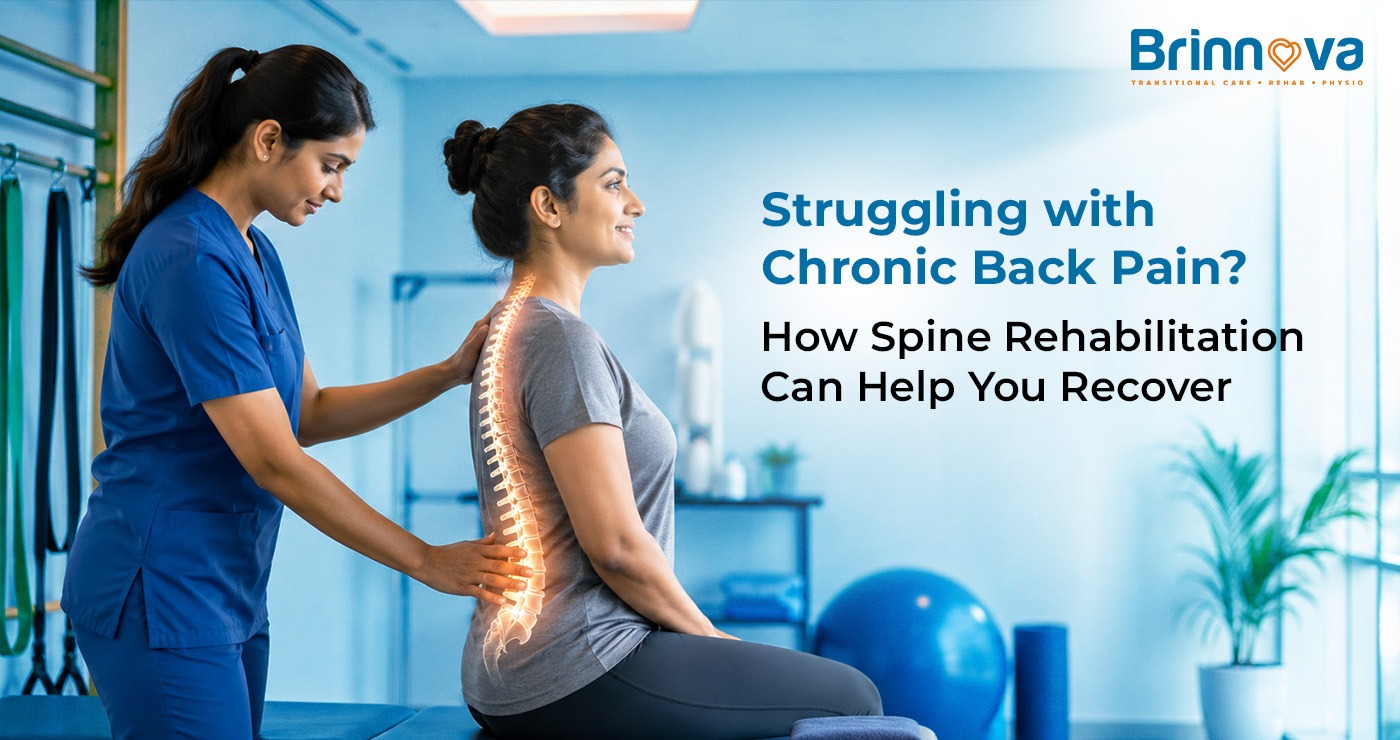
Physical therapy plays a major role in the majority of orthopedic rehab programs. This involves guided exercises focusing on increasing strength, flexibility, and control of movement led by trained physiotherapists.
The following are examples of standard physical therapy practices:
- Stretching exercises for flexibility
- Powerlifting for joints and the surrounding muscles
- Balance and coordination exercises
- Posture and body mechanics training
- Functional movement training
With constant direction and gradual exercise progression, physical therapy might aid patients in increasing physical function over time.
Conclusion
Orthopaedic rehabilitation is a specialty of rehabilitative health that aims to restore the function of individuals who have suffered injury or other disorders that affect the musculoskeletal system. A structured rehab therapy and facilitated, systematic exercises further help patients in the gradual recovery of lost independence. Indeed, rehabilitation programs typically help people with mobility issues get used to movements as they learn what the road to recovery is going to look like.
This may involve physiotherapy, workout tools, and personalised health software that blend with specific patient needs. Brinnova is the best rehabilitation therapy service center for clinical care, patient education, and supportive recovery methods. It treats patients under strict supervision in a rehabilitation program so that individuals may eventually learn to take care of their own vital functions again.