World No Tobacco Day: Why Quitting Tobacco Is Essential for Faster Recovery
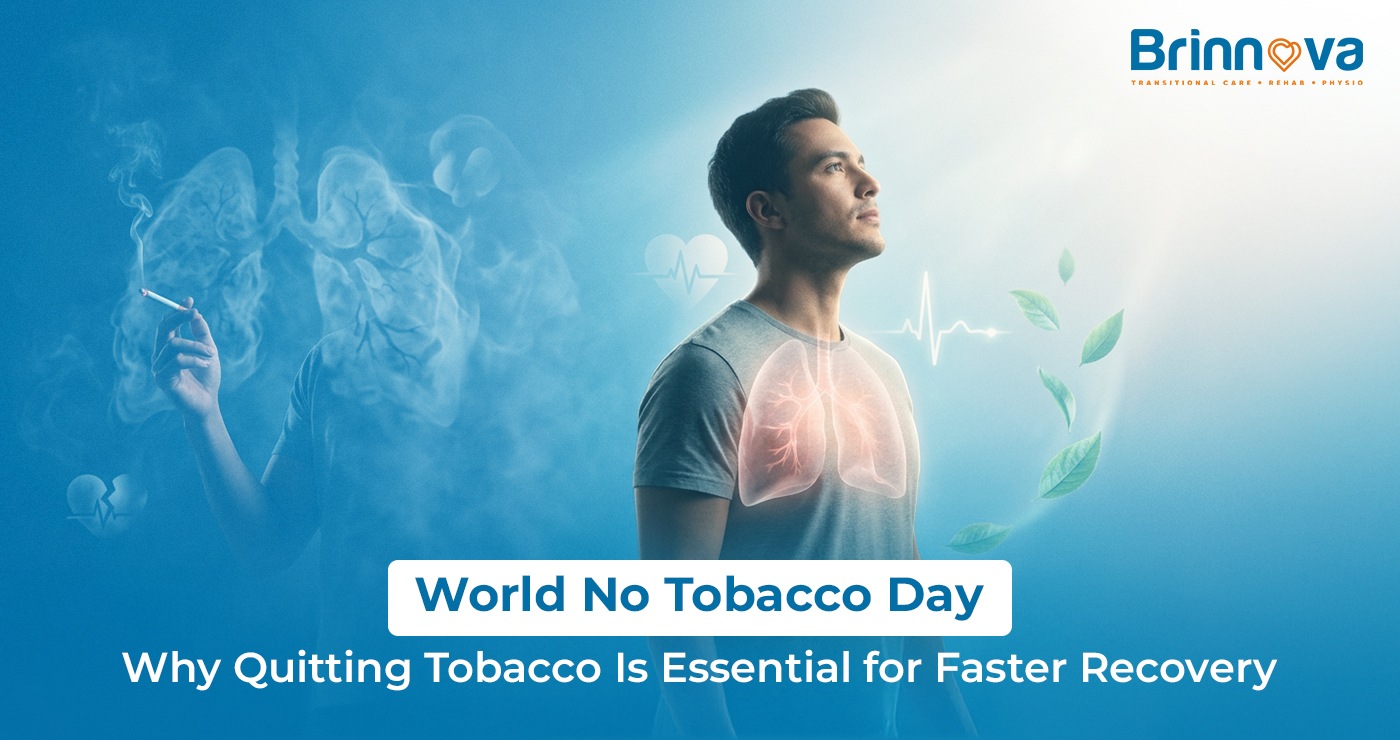
World No Tobacco Day is observed on 31st of May every year to spread awareness about the harmful and deadly effects of tobacco use and to discourage its use worldwide. While most people know that tobacco negatively affects overall health, fewer understand its specific impact on recovery from illness, injury or surgery.// Whether it is wound healing, recovery after stroke or rehabilitation, cessation of tobacco is essential to expedite and improved recovery.
Understanding Tobacco Health Risks
Tobacco is one of the top causes of preventable death in the world. The dangers of tobacco are not limited to the lungs and heart — it harms almost every organ.
This can lead to an increased risk of heart disease, stroke
Diseases of the lungs such as cancer and COPD
Reduced immune function
Poor blood circulation
Delayed healing and recovery
Nicotine and other harmful substances in tobacco are vasoconstrictor, thus decreasing the oxygen supply to tissues. This is particularly perilous during the recovery periods, however, when maximum oxygen and nutrient input are required to repair body tissue.
Smoking and Wound Healing
One of the most significant but less recognized negative effects of tobacco is on smoking and wound healing. Your body finds it difficult to heal properly when you smoke.
How smoking affects healing:
- Decreases oxygen delivery to damaged tissues
- Slows down cell regeneration
- Increases risk of infections
- Delays closure of wounds
This means that smoking can cause healing of even minor injuries to take much longer than in non-smokers. For surgical patients, this can translate to complications and longer hospitalisations, not to mention increased medical costs.
Why Quitting Tobacco Speeds Up Recovery?
The single most important step you can take for your health, particularly during recovery, is to quit tobacco. The benefits of quit smoking start in just a few days!
Key benefits include:
- Improved blood circulation
- An increase of oxygen in the body
- Faster wound healing
- Reduced inflammation
- Stronger immune response
Within a few days of quitting, the body starts to self-repair. Over time lung function improves and the risk of complications drops sharply. This is part of why the medical community encourages patients to quit using tobacco around treatment.
Smoking and Rehabilitation Progress
Recovery doesn’t stop with treatment — it extends into rehabilitation. Physiotherapy, post-surgical rehabilitation and neurological recovery; they all become slow-motion affairs when you are smoking.
Can smoking slow down physical rehabilitation progress?
Yes, it decreases the body stamina and muscle power, there to act physical workout becomes problem. It also has an impact on coordination and endurance, two aspects which are essential in effective rehabilitation.
Does smoking impact physiotherapy recovery?
Absolutely. Physiotherapy depends on the body’s capacity to heal and reinforce tissues. This process is slowed, and the results are less effective because smoking interferes.
Quitting Smoking After Stroke
After a stroke, intensive care and therapy —and lifestyle changes — are required to recover. The most significant lifestyle change that can be made post-stroke is to quit smoking.
Tobacco use also increases the risk of another stroke and may impede neurological recovery. It interrupts blood flow to the brain, hampering damaged brain cells’ ability to heal and regenerate.
Benefits of quitting after stroke:
- Reduced risk of recurrent stroke
- Improved brain function recovery
- Better response to rehabilitation therapies
- Enhanced overall health
- Patients who quit smoking post-stroke show much better recovery outcomes than those pts who continue smoking.
Tobacco and Mental & Neurological Recovery
Tobacco isn’t just damaging to physical health, but is also implicated in mental and neurological recovery. Nicotine alters brain chemistry and can destabilize mood and cognition. You quit tobacco, and your brain functions begin to normalize — so does cognitive health — focus, memory and emotion. This is all the more important for patients with neurological disabilities undergoing rehabilitation.
Stop Smoking Tips for Better Health
Getting on comprehensive medicine therapy for tobacco addiction reduces rates of Tobacco Use. Effective Tips on How to Quit Smoking:
Choose a quit day and start to mentally prepare
Stay away from triggers like stress or social events that lead to smoking
Stay active to reduce cravings
Lean on family, friends, or support groups
Consider using nicotine replacement therapy if your doctor recommends it
Practice some deep breathing, meditation or relaxation techniques
You got this! (And if you’re just here for support, then yes — remember that each little step you take toward quitting, makes it easier to eventually quit altogether, which gets you healthier and out of the woods faster.)
Importance of World No Tobacco Day Awareness
World No Tobacco Day awareness: Most effective approach in this journey to spread public information about the detrimental effects of tobacco and the advantages of quitting Use through programs, campaigns, workshops and numerous community activities raise enthusiasm among citizens to challenge themselves towards a healthier lifestyle.
This initiative for the world not only depicts the hazards but also enables
Conclusion
World No Tobacco Day highlights the alarming consequences of tobacco consumption and reminds us all to quit tobacco and lead a healthy life. The advantages of quitting are indisputable from the eradication of tobacco consumption health risks to smoking cessation and wound healing.Whether you are recovering from surgery, an injury or even a stroke quitting tobacco can greatly improve your recovery rate and even enhance your overall health.
You can help take charge of the recovery process by being aware of tobacco harmful effects, following effective stop smoking tips and leading a healthier lifestyle. When you're aware about its side effect and are determined to quit with support of some reliable Health Care providers like Brinnova, quitting becomes an ambition that changes your life for better with faster recovery and long-term health.