Stroke Prevention: Warning Signs and Risk Factors You Should Know
Stroke is a clinical emergency that may occur without notice to anyone but with adequate knowledge and lifestyle most strokes can be prevented. The good news is that, knowing the symptoms and risk factors to avoid a stroke can be life-saving. If you know the issues, doctors can have a clear picture of your health and preventive measures allow you to treat a stroke and live better.
What is a stroke?
A stroke occurs when blood flow to an area of the brain is cut off or sharply curtailed, and part of the brain can’t get the oxygen and nutrients it needs. Neurones begin to die within minutes. Which is exactly what makes prompt action so critical.
There are three main types of strokes:
Ischemic stroke – due to a blockage of blood vessels
Hemorrhagic stroke—resulting from bleeding in the brain
Transient ischemic attack (TIA)—a temporary blockage also known as a “mini-stroke”
Knowledge of these types enables improvements in stroke diagnostic tests and applies to effective prevention strategies.
Stroke Warning Signs You Should Never Ignore
Identifying warning signs of stroke early can be a lifesaver. The simplest way to catch symptoms is the FAST rule:
F – Face drooping: One side of the face may droop or feel numb.
A — Arm weakness: You may feel weak or numb in one arm
S – Speech difficulty: Slurred speech or inability to speak.
T – Time to activate emergency medical services: Every second matters
Other symptoms include:
sudden confusion
Vision problems in one or both eyes
Headache which is very painful and has no known reason
Loss of balance or coordination
These symptoms arise often very abruptly, which in turn makes awareness really important to prevent a stroke effectively.
Major Stroke Health Risks
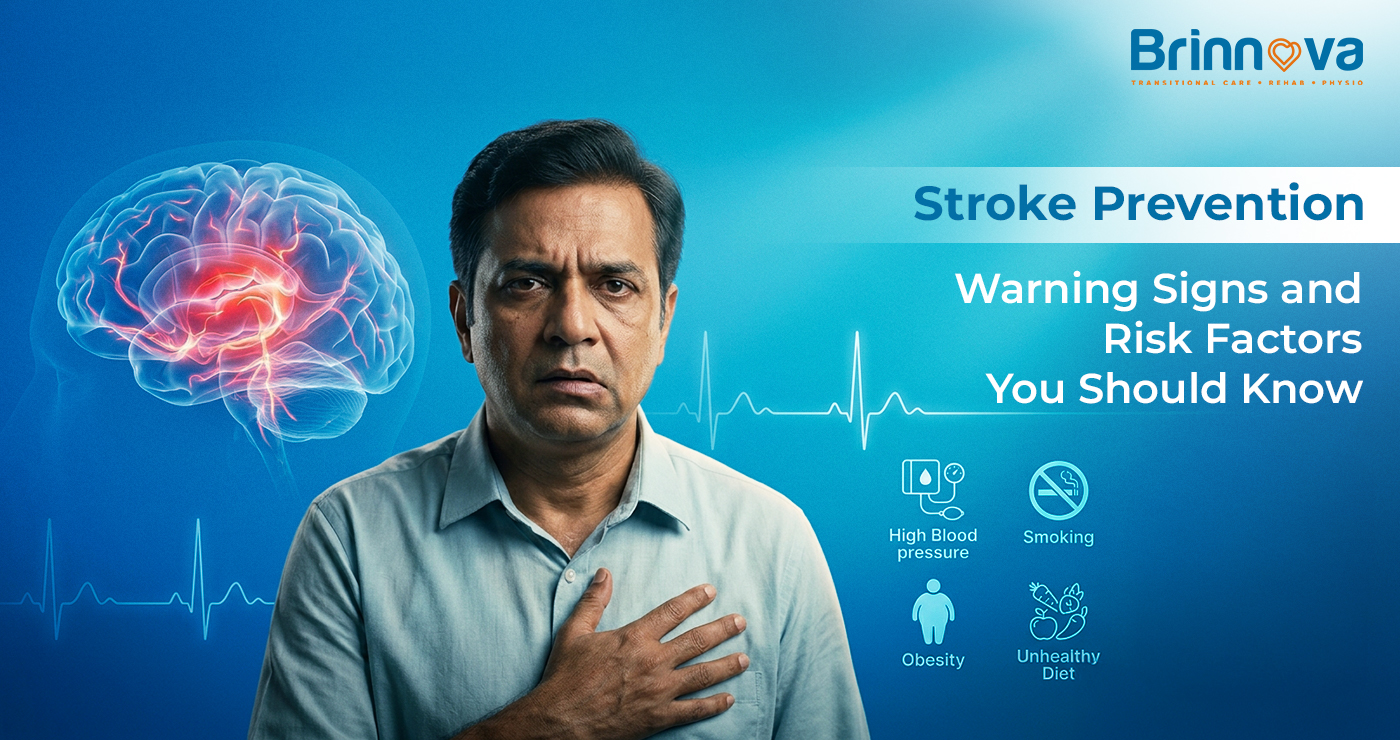
Understanding the risk of stroke is really important. Common risk factors include:
1. High Blood Pressure
This results in stroke and hypertension, which is one of the leading causes of stroke. When blood pressure works too hard for too long, the blood vessels fatigue enough that they’re likely to burst or get clogged.
2. Diabetes
Over time, high blood sugar can harm blood vessels, raising the chance of a stroke.
3. High Cholesterol
Excess cholesterol can lead to plaque buildup in arteries, restricting blood flow to the brain.
4. Smoking
Smoking damages blood vessels and reduces oxygen in the blood, significantly increasing stroke risk.
5. Obesity and Physical Inactivity
Unhealthy weight is a risk factor for multiple strokes, such as diabetes and high blood pressure. Not exercising and an unhealthy diet may be a cause for poor weight.
6. Family History
Genetics can also factor into stroke risk.
The great news is that most of those risks may be treated with lifestyle changes and medical care.
Stroke Prevention Diet: What You Should Eat
The good news is that many of those risk factors can be mitigated with lifestyle choices and medical care.
Fruits and vegetables to include to prevent:
High in vitamins, minerals and antioxidants
Whole Grains: Regulate blood sugar & cholesterol Proteins:
Lean proteins (fish, chicken & legumes)
Healthy fat : Nuts, seeds as well olive oil
Low-Sodium Food: Control blood pressure
Foods to prevent stroke
Processed foods high in salt
Sugary beverages
Trans fats and fried foods
Excess red meat
Diet is one of the healthiest and simplest way to minimise the stroke risk by following a balanced diet plan.
Importance of Regular Health Checkups
Early stroke diagnosis tests and treatment of risk factors is only possible with regular health checkups. Blood pressure, cholesterol and blood sugar tests can all help keep complications off track.
Your doctor might order tests to confirm you’ve had a stroke, including:
Blood tests
CT scan or MRI
Carotid ultrasound
ECG (electrocardiogram)
These were tests you use to assess your risk & screen for potential issues so that you can nip things in the bud.
Lifestyle Changes for Stroke Prevention
Just maintaining healthy habits can reduce your stroke risk:
Exercise regularly, aiming for at least 30 min of physical activity in a day:
Quit smoking — This alone can significantly lower stroke risk
Limit the alcohol consumption
Manage stress effectively.
Maintain a healthy weight
The healthy lifestyle changes not only help Stroke Prevention but also promote well being.
The Reasons Why High Blood Pressure Should Be Treated Immediately?
Hypertension has a close association with stroke. Over many years, high blood pressure can cause the arteries to accumulate damage, which can lead to life-threatening problems.
Managing blood pressure through:
Medication (if prescribed)
Low-salt diet
Regular exercise
Stress reduction
Can dramatically lower stroke risk. The sooner you take control, the nicer your long-term well-being outcomes.
What to Do During a Stroke Emergency
If you experience any warning signs of a stroke, act immediately:
Call emergency services right away
That person should be calmed and kept lying down.
Do Not Feed, Water, or Medicate
Note the time symptoms started
Prompt treatment might stave off brain-cell death and improve chances of recovery. Every second counts.
Conclusion
Stroke can be fatal, but most strokes are preventable with the proper information and actions. You have to learn what a stroke warning sign is, how you can manage the risk factors of stroke and high blood pressure, a healthy diet for the prevention of strokes and routine health tests that can tell if you're placed in danger of a stroke.
Each little step you take today—like eating better, staying fit and keeping track of your health — can mean a safer, healthier tomorrow. You can make a choice, one that centers on preventing stroke — not just the prevention of illness but the prevention of living a longer and healthier life.
By being aware—and working with the trusted health rehabilitation center like Brinnova, you’ll know your risk and take steps to prevent having a stroke.